Scadify · Industrial edge controller and local automation platform
Bring reliable measurement, automation and local operations to the field.
Scadify is Enlogy’s industrial edge and local-automation platform for field acquisition, protocol integration, local SCADA, historian, alarms, offline operation and governed control.
What it solves
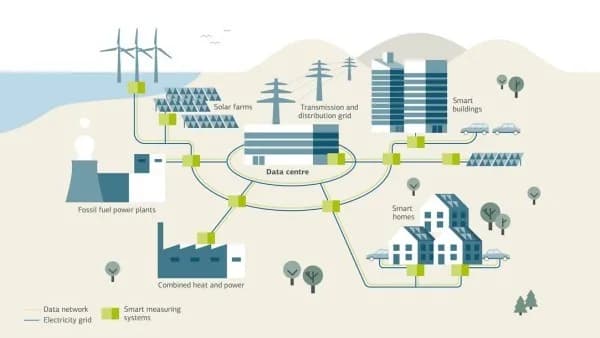
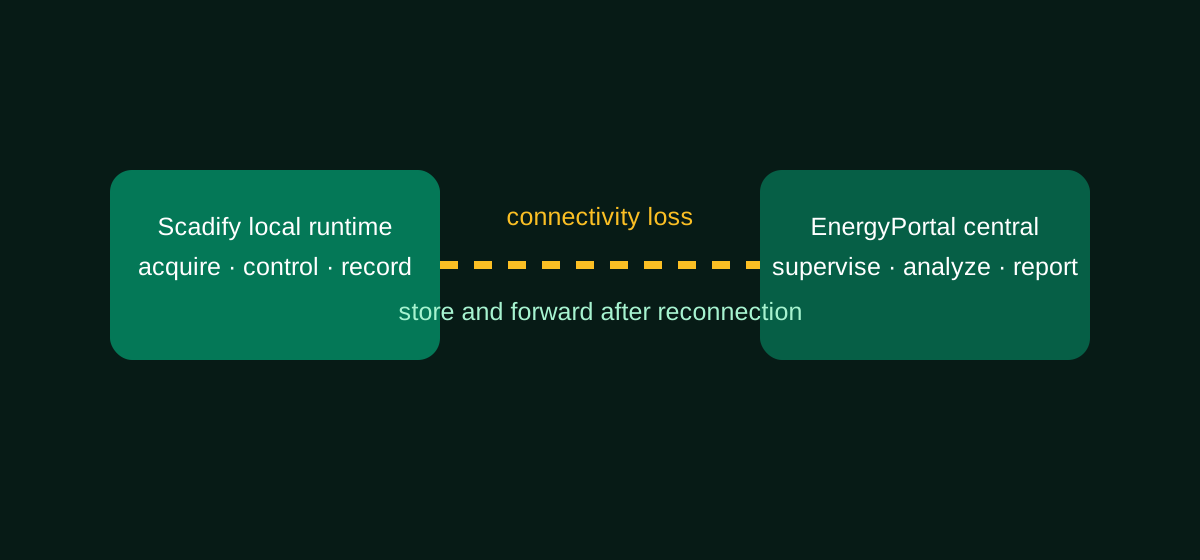
Remote sites need central visibility, but local acquisition, alarms, runtime and approved control should not depend entirely on a permanent central connection.
Local acquisition
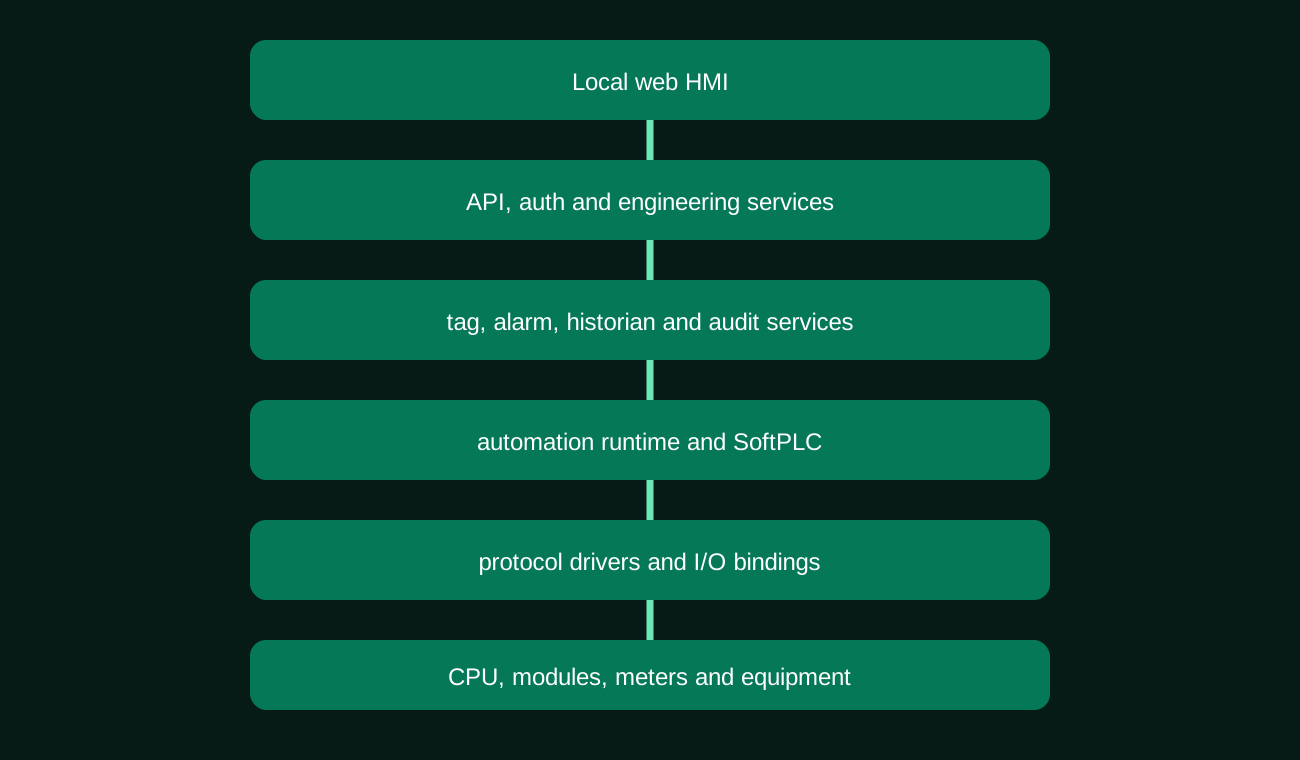
Connect meters, sensors, analyzers, actuators and equipment through a canonical tag and device model.
Edge automation
Run approved cyclic logic, command routing, runtime health and local recovery close to the process.
Local SCADA/HMI
Expose live tags, equipment status, alarms, trends and authorized actions at the site.
Historian and evidence
Retain selected measurements, events, alarms, deployments and user actions locally.
Protocol boundaries
Keep drivers separate from business logic so project-qualified protocol roles remain controlled.
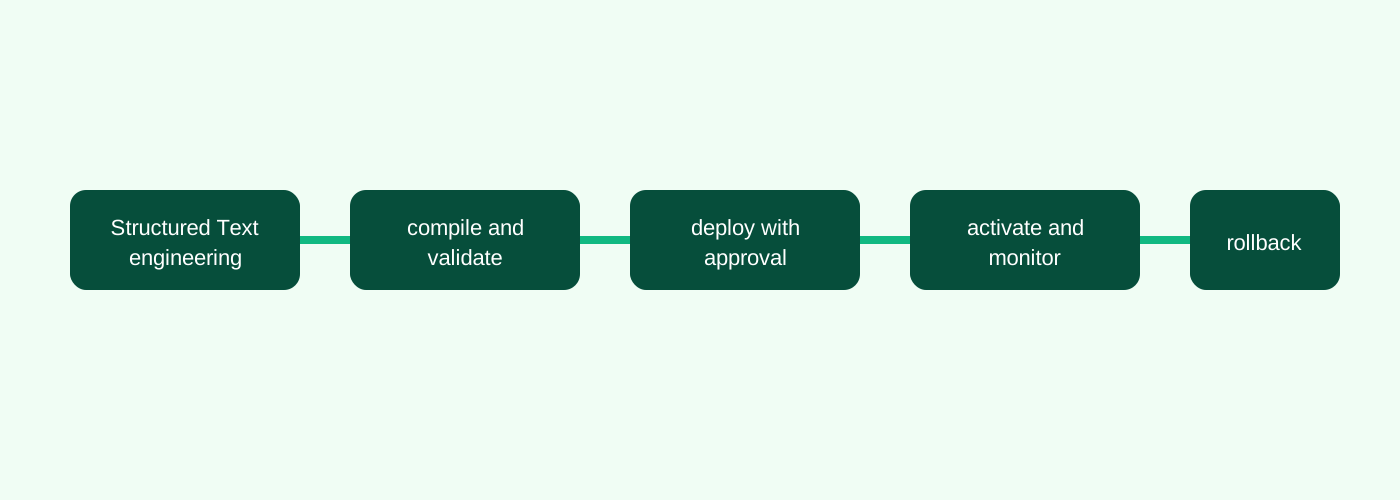
Governed deployment
Use versioned automation/configuration artifacts, activation history and rollback concepts.
How it works
A traceable path from signal to operational action.
Bind
Map physical signals and protocols to canonical tags, devices, units, permissions and quality.
Run
Execute the local runtime, evaluate alarms and apply approved non-safety automation.
Record
Store measurements, runtime status, commands, events and deployment evidence locally.
Synchronize
Exchange normalized telemetry and configuration with central Enlogy products when connectivity is available.
Govern
Control engineering changes through roles, approval, version history and rollback.
Use cases
Built around the operating context.
The right product configuration depends on equipment, data quality, control responsibility, operating policy and the evidence required by the project.
- Renewable plant telemetry and local SCADA
- PPC field infrastructure
- Factory energy and process integration
- Retail HVAC and lighting control
- Pumping and water infrastructure
- Brownfield protocol modernization
Integration model
Connect the systems you already operate.
Governance and boundaries
Scadify is intended for non-safety and project-qualified automation unless a separately validated safety architecture exists. Security level, protocol roles, hardware availability and certifications must follow the current engineering release matrix.
Architecture and evidence
Make the operating model visible.
Product relationship
Defined responsibilities, connected operations.
Scadify is the local execution and evidence layer for EnergyPortal, enPowerManager and enCoreEnergy. It can operate locally according to deployed release and configuration without permanent central connectivity.
FAQ
Questions engineers and operators ask first.
Is Scadify a gateway or a PLC?
It combines gateway, local SCADA, historian and automation-runtime capabilities; its exact role depends on hardware, protocol and application configuration.
Can it operate without EnergyPortal?
The architecture is local-first. Essential local functions are intended to continue subject to the deployed release and configuration.
Is Scadify IEC 62443 certified?
No certification is claimed. The architecture includes a requirements-mapping and hardening path toward industrial component-security areas.
Next step