Plan and Design

Make every signal, command and fallback state testable before commissioning.

SCADA and PPC engineering turns plant signals, control authority, operating modes and acceptance evidence into a coherent plant-control design.

Discuss Your Project
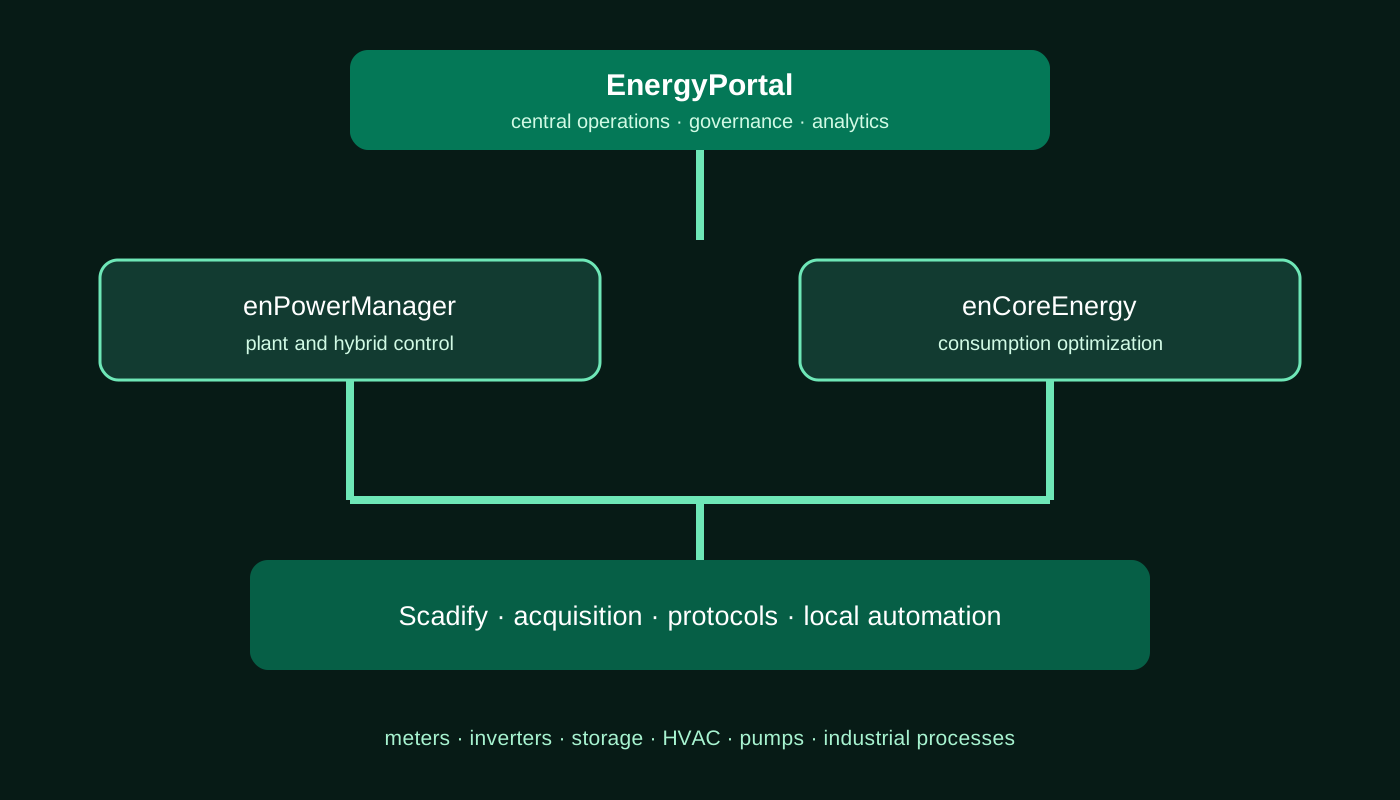
SCADA and PPC engineering architecture connecting plant devices, local control, point of connection and EnergyPortal
Conceptual engineering view; final scope, interfaces and acceptance criteria are project-specific.

Project risks this service addresses

  • Signals and commands have no agreed ownership or test method.
  • PPC modes, fallback behaviour and point-of-connection requirements are left until site testing.
  • Operators inherit screens without a useful alarm, historian or reporting philosophy.

Engineering scope

  • SCADA functional and operator-screen design
  • Telemetry, tag and data-quality engineering
  • PPC active/reactive, voltage, power-factor and ramp control
  • Hybrid allocation, setpoint and communication-loss behaviour
  • Interface, resilience, security and test engineering

Required inputs and prerequisites

  • Plant single-line and point-of-connection information
  • OEM, meter, inverter, turbine, PLC and RTU interfaces
  • Grid, operating and acceptance requirements
  • Control responsibility and local fallback expectations

Delivery workflow

  • Map plant, field and point-of-connection responsibilities
  • Engineer signals, modes, commands and alarms
  • Configure and simulate the control and data model
  • Test local, central, fallback and reporting behaviour
  • Commission only after approved prerequisites are met

Deliverables

Evidence that can be reviewed, tested and handed over.

Tag, signal and protocol matrix

Source, meaning, quality, ownership, direction and test method.

enlogy

SCADA and PPC functional design

Modes, setpoints, alarms, screens, reports and fallback behaviour.

enlogy

FAT/SAT and performance test plan

Traceable tests for configured functionality and project criteria.

shared

Acceptance and evidence framework

  • Signals and commands are verified against approved lists
  • Control modes and fallback behaviour are witnessed
  • Alarms, historian and reports are checked
  • Performance and grid tests are separately documented

Responsibility matrix

Make interfaces explicit before work starts.

Responsibilities for SCADA and PPC Engineering
RoleBoundary
EnlogyResponsible for the contracted engineering, software, integration and documentation scope.
CustomerProvides site information, decisions, access, operating constraints and acceptance participation.
EPC, OEM or installation partnerParticipates according to the approved interface and responsibility matrix.
Grid operator or authorityDefines applicable requirements and remains responsible for formal approval or acceptance.

Products used

Relevant solutions

Relevant industries

Customer results

Technical resources

Related services

Continue through the delivery lifecycle.

Questions to resolve first

Does enPowerManager automatically satisfy every grid code?

No. PPC and grid-control functionality is engineered, configured and tested according to project-specific plant architecture, connection requirements and applicable technical criteria.

Can Enlogy integrate an existing plant SCADA?

Existing SCADA, PLC, RTU and OEM interfaces can be assessed against the documented integration and write-authority requirements.

Can FAT prove final grid performance?

FAT verifies configured and simulated behaviour. Live plant performance and grid acceptance require site-specific testing.

Scope and publication boundary

No universal OEM compatibility or grid approval is claimed; every interface and acceptance criterion remains project-specific. Final responsibilities, qualifications, test criteria, support terms and regulatory acceptance remain subject to the project contract and approved documentation.

Next step

Discuss your scada and ppc engineering requirements.

Discuss Your Project