Plan and Design

Understand the existing site before adding another system.

A site assessment connects existing equipment, data, communications, operational practice and installation constraints before the final design is committed.

Discuss Your Project
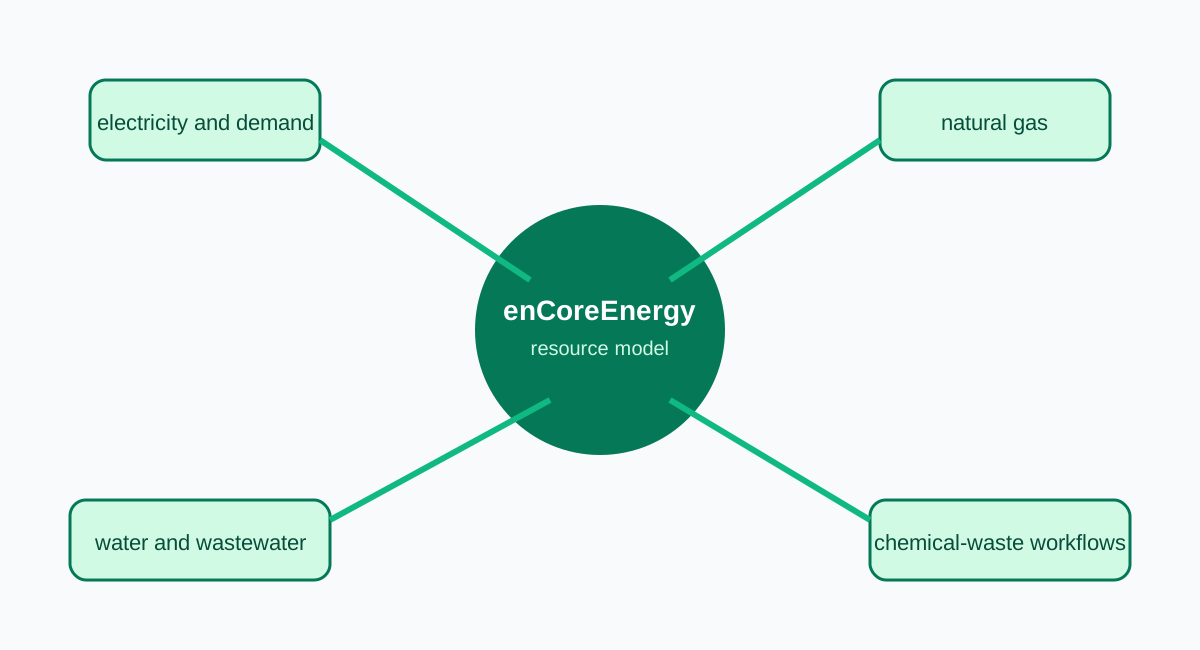
Site assessment map connecting assets, meters, networks, controls and design decisions
Conceptual engineering view; final scope, interfaces and acceptance criteria are project-specific.

Project risks this service addresses

  • Remote and legacy assets are not fully inventoried.
  • Data quality and protocol assumptions create late integration risk.
  • Installation, outage and operational constraints are discovered too late.

Engineering scope

  • Document and stakeholder review
  • Field and asset survey
  • Meter, protocol and network assessment
  • Energy, resource and control-point review
  • Gap analysis, architecture, migration and phased roadmap

Required inputs and prerequisites

  • Existing drawings, tags, manuals and network information
  • Site access and safety induction requirements
  • Operational schedules, constraints and expansion plans
  • Customer and partner contacts

Delivery workflow

  • Review available documents and objectives
  • Survey assets, panels, networks and operating points
  • Validate data, protocol and control assumptions
  • Record gaps, risks and dependencies
  • Issue a design basis and phased implementation plan

Deliverables

Evidence that can be reviewed, tested and handed over.

Site-assessment report

Verified observations, assumptions, gaps and risks.

enlogy

Integration matrix

Assets, signals, protocols, ownership and proposed interfaces.

shared

Preliminary architecture and migration strategy

Phases, dependencies and design decisions subject to verified site data.

enlogy

Acceptance and evidence framework

  • Assessment observations are traceable to source or site evidence
  • Assumptions and exclusions are visible
  • Proposed architecture is reviewed by relevant stakeholders
  • Final design dependencies are identified

Responsibility matrix

Make interfaces explicit before work starts.

Responsibilities for Site Assessment and System Design
RoleBoundary
EnlogyResponsible for the contracted engineering, software, integration and documentation scope.
CustomerProvides site information, decisions, access, operating constraints and acceptance participation.
EPC, OEM or installation partnerParticipates according to the approved interface and responsibility matrix.
Grid operator or authorityDefines applicable requirements and remains responsible for formal approval or acceptance.

Products used

Relevant solutions

Relevant industries

Customer results

Technical resources

Related services

Continue through the delivery lifecycle.

Questions to resolve first

Is this a certified energy audit?

A site assessment is not presented as a certified audit unless that specific scope and authority are explicitly contracted and qualified.

Can the assessment be completed remotely?

Some discovery can be remote, but final design depends on verified site information and may require a field survey.

Will Enlogy recommend replacing all legacy equipment?

No. Coexistence, migration and replacement are assessed against technical, operational and lifecycle requirements.

Scope and publication boundary

Remote assessment findings remain subject to site verification; no savings guarantee is inferred from an assessment. Final responsibilities, qualifications, test criteria, support terms and regulatory acceptance remain subject to the project contract and approved documentation.

Next step

Discuss your site assessment and system design requirements.

Discuss Your Project