Plan and Design

Design the operating system before selecting disconnected components.

Enlogy translates energy, automation and operational requirements into a documented basis of design for generation, consumption, telemetry, control, analytics and workflows.

Discuss Your Project
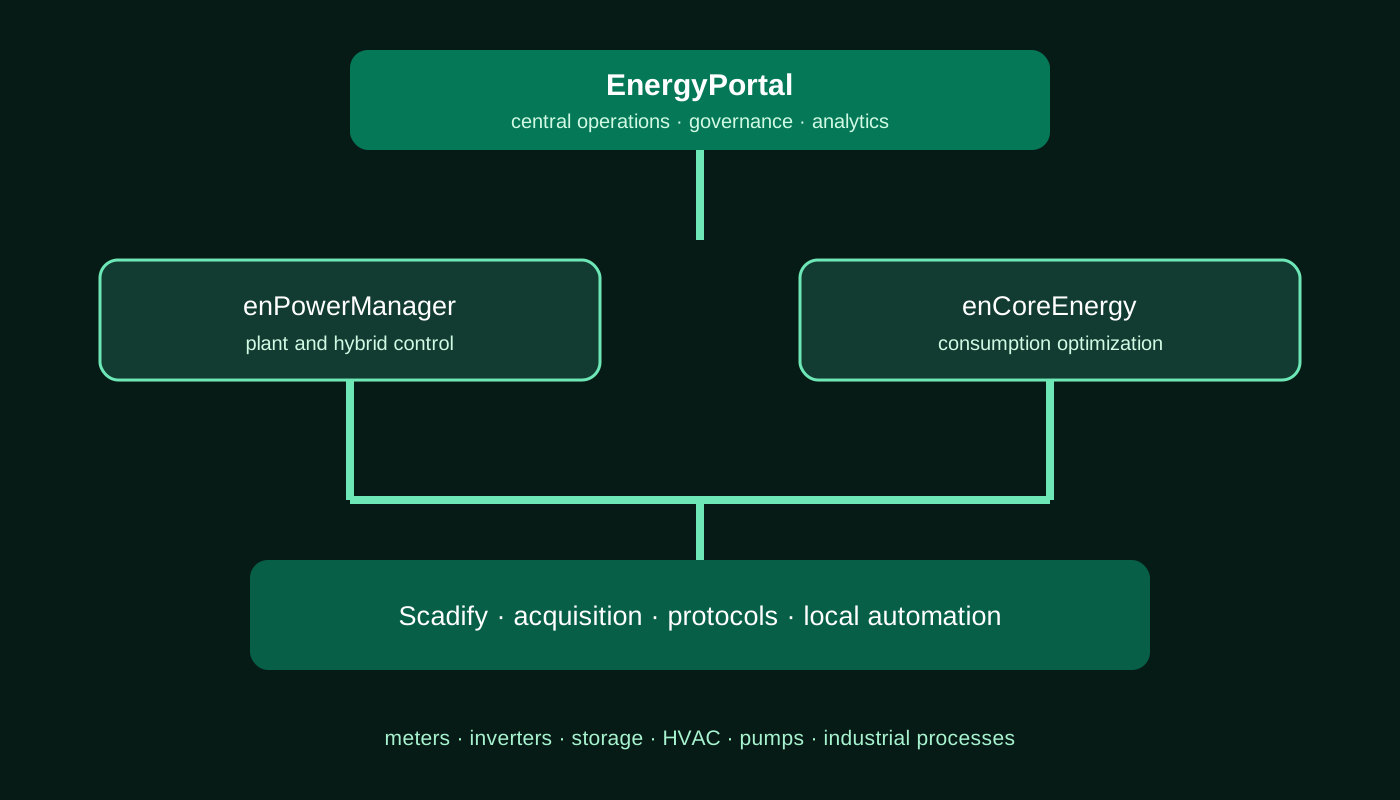
Energy and automation engineering flow from requirements through control, data, integration and acceptance
Conceptual engineering view; final scope, interfaces and acceptance criteria are project-specific.

Project risks this service addresses

  • Energy and automation decisions are made in separate workstreams.
  • Control, data, alarm and acceptance assumptions remain implicit until commissioning.
  • Owners need a design that can be tendered, integrated and operated.

Engineering scope

  • Requirements and use cases
  • Metering, telemetry and data architecture
  • Automation, SCADA, PPC and edge-control architecture
  • OT/IT interfaces, cybersecurity principles and resilience
  • Alarm, reporting, testing and acceptance architecture

Required inputs and prerequisites

  • Operating objectives and site information
  • Existing systems, asset lists and protocols
  • Applicable connection, safety and customer requirements
  • Stakeholder roles and acceptance expectations

Delivery workflow

  • Assess scope, site conditions and interfaces
  • Define responsibility, design and acceptance boundaries
  • Engineer and configure the approved operating model
  • Integrate, install and verify the system
  • Commission, train, hand over and support the accepted solution

Deliverables

Evidence that can be reviewed, tested and handed over.

Requirements and scope matrix

Functional boundaries, assumptions, interfaces and approval points.

shared

Architecture and interface documentation

System, data, network and responsibility views appropriate to the project.

enlogy

Test and acceptance records

Traceable tests, exceptions, evidence and handover status.

shared

Functional and control philosophy

Users, alarms, commands, analytics, reports and operating modes.

enlogy

Acceptance and evidence framework

  • Approved requirements and scope matrix
  • Reviewed architecture and interface documents
  • Defined test strategy and acceptance evidence
  • Open assumptions and change-control path

Responsibility matrix

Make interfaces explicit before work starts.

Responsibilities for Energy and Automation Engineering
RoleBoundary
EnlogyResponsible for the contracted engineering, software, integration and documentation scope.
CustomerProvides site information, decisions, access, operating constraints and acceptance participation.
EPC, OEM or installation partnerParticipates according to the approved interface and responsibility matrix.
Grid operator or authorityDefines applicable requirements and remains responsible for formal approval or acceptance.

Products used

Relevant solutions

Relevant industries

Customer results

Technical resources

Related services

Continue through the delivery lifecycle.

Questions to resolve first

Does every project include every engineering stage?

No. Scope is defined according to the project requirements, contractual responsibilities, site conditions and partner interfaces.

Can Enlogy work with an existing EPC or automation contractor?

Yes. The interface, responsibility matrix, access requirements and acceptance criteria are agreed before delivery.

Does engineering automatically create regulatory compliance?

No. Regulatory and grid requirements must be engineered, tested and accepted for the applicable project and authority.

Scope and publication boundary

Public evidence is limited to documented capability and project-specific, publication-safe patterns. No project count or performance claim is made. Final responsibilities, qualifications, test criteria, support terms and regulatory acceptance remain subject to the project contract and approved documentation.

Next step

Discuss your energy and automation engineering requirements.

Discuss Your Project